GUIDE 14 / LAST MAN ON THE DOOR
Free browser action games: movement, combat and survival that matter
Action feels better when you know why you are moving. This guide looks at the decisions behind a fight, from finding cover to knowing when a chase is no longer worth it.
Play free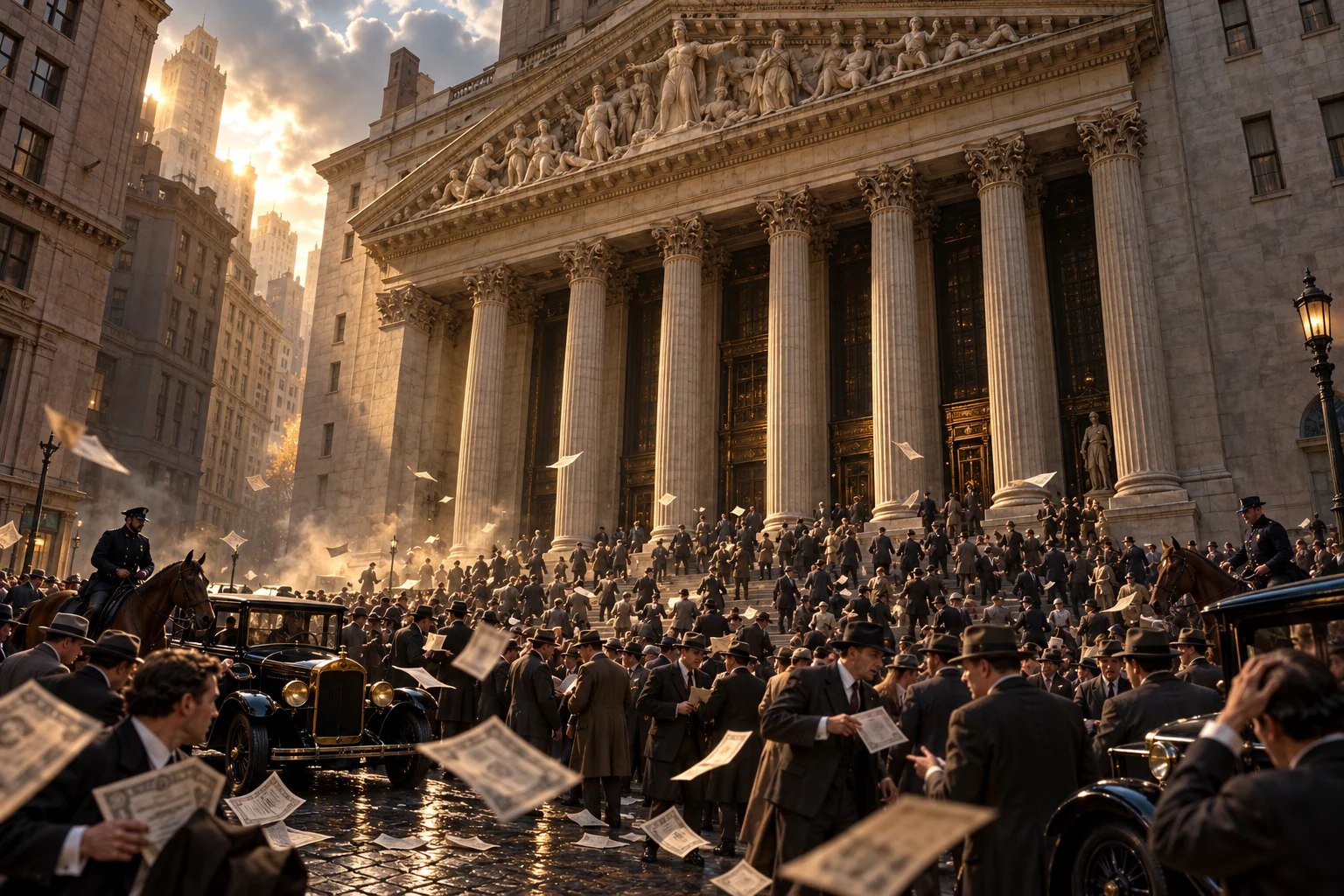
Look for decisions, not just constant shooting
A browser action game should give you something meaningful to do with your attention. Sometimes that is aiming at an opponent. Sometimes it is deciding not to fire because your position is poor or because a different objective matters more. When every action leads into another choice, a small map can feel busy without needing endless targets. You understand the situation, make a move and deal with what changes as a result.
Last Man on the Door combines three-dimensional movement, weapons and survival objectives in a free browser game. Titanic changes the ground beneath your plans as the ship sinks. Wall Street puts your remaining capital alongside combat as a source of pressure. You can enter a fight in good health and still make a poor overall decision if it leaves you without the resources or route you need. The useful question is not just whether you can win this exchange, but what winning it achieves.
Build a movement routine before chasing eliminations
Start by becoming comfortable with the camera. On a computer, the mouse changes where you look and WASD or ZQSD moves your character. Learn to walk through a doorway while still checking the space beyond it. Add jumping with Space and crouching by holding Ctrl on land. In water, the movement context changes: the controls allow you to rise or dive. Learning those differences in a calm moment makes your choices more reliable when a route becomes urgent.
A good position includes a way out
Standing behind something is only the beginning of using cover. Check what it blocks, what remains visible and where you can move next. If the obstacle protects you from one direction but leaves your side open, treat it as temporary protection. Crouching changes your height; it does not make the character invisible. Keep watching the surrounding space rather than assuming that a lower position is automatically a safe one.
Movement is most useful when it serves a destination. Repeated jumps can distract you from reading a room. Constant sprinting can carry you past an object or a useful turn. Try one round in which you enter each new area with an intended exit already in mind. This gives your movement a structure. When a fight begins, you are choosing between known routes instead of discovering the entire room while under pressure.
Link movement, interaction and an escape route
Picture an item just beyond a doorway, with another entrance across the room. A useful action sequence begins before you collect it. Approach so that you can see both the item and your intended exit, interact with E when in range, and continue moving instead of standing in the doorway to inspect the whole interface. If someone closes the distance, F provides a push. It is a close-range option rather than a guaranteed escape. Jumping, interacting and retreating become meaningful when they connect to a destination. On your next attempt, try a different entry angle and compare how much of the room you could read. That makes movement a skill you can develop instead of background motion between shots.
Plan the moment after a shot
After firing, you may need to recover your aim, move back behind an obstacle or reload. On desktop, right-click aims and R reloads. Aiming can help with a shot, but staring at one angle for too long can narrow your awareness of everything else. Check the surroundings again before repeating the same action. The time between shots is still part of the fight, and your opponent is making decisions during it too.
Weapons taken from eliminated opponents keep their remaining ammunition. Picking one up does not magically provide a fresh load. Before rushing into another exchange, check what you now have. The pickup itself also takes you somewhere: perhaps into a doorway or away from cover. Decide whether the weapon solves a current problem. Loot is useful when it improves your next decision, rather than simply adding another object to your inventory.
Read the map as a set of possibilities
Titanic's cabins, corridors and stairs shape the distance at which you meet other participants. An interior route can lead you into a close encounter; a more open area changes what you can see and what can see you. As the ship changes, familiar paths may become less convenient. Use the map to identify stairs and think one level ahead. Knowing a route is valuable even before you have a reason to take it.
Wall Street creates a different set of movement problems through its street spaces, stairs and lower areas. Descending into a confined route changes how easily you can leave. Before committing, consider whether you want to search, reposition or start a fight. Those purposes are not interchangeable. A route that is sensible for reaching an objective might be a poor place to follow an opponent whose destination you cannot see.
Break a chase before it breaks your plan
A retreating opponent can pull your attention away from everything you were doing. You may begin following without checking your ammunition, the time or your own resources. Practise letting one opponent go when the chase would take you into an uncertain position. That is still an active decision. It preserves your ability to choose the next encounter instead of accepting whichever fight the other participant leads you towards.
Remember the objective behind the action
On Titanic, you need a life vest, warm coat and provisions for the final door. An impressive sequence of fights does not replace that kit. On Wall Street, capital can become the urgent concern even if your health looks comfortable. Keep checking the information that belongs to the current map. Survival action is interesting partly because your priorities can change: a fight that looked sensible moments ago may no longer be worth the delay.
Try judging your next match by how often your actions supported a clear plan. Did you search because an essential item was missing? Did you move because your cover had stopped helping? Did you reload before entering the next uncertain space? These are useful questions even after a loss. They turn a chaotic result into a specific lesson and help you notice improvements that an elimination count alone cannot show.
Make the controls comfortable enough to think
Use the in-game sensitivity setting to find a camera speed you can manage. Change it gradually and test the same simple turn or doorway each time. If drawing the scene feels demanding, smooth mode reduces visual effects and rendering resolution. Phones use touch controls, and landscape orientation gives those controls more room. Performance varies by device and browser, so aim for a comfortable setup rather than assuming everyone sees the same frame rate.
You can begin at Last Man on the Door and learn the movement and survival loop in solo play with bots before joining online matches. Both settings reward familiarity with the controls; online play adds other people's decisions to the situation. For a first goal, try leaving every fight with a usable route still available. That habit gives you more opportunities to act, which is often more valuable than taking the first shot.
Frequently asked questions
Is this a browser game or a downloadable client?
Last Man on the Door runs in the browser. No separate game application is required, though game resources still need to load.
Can I crouch as well as jump?
Yes. Hold Ctrl to crouch on land and use Space to jump on desktop. Touch controls provide the corresponding actions on phones.
Do eliminated opponents always drop fully loaded weapons?
No. Recoverable weapons retain their remaining ammunition, so check what you picked up before entering another fight.
Your next round starts here
Choose Battle Royale or Traitor Aboard on the game’s home screen.